Walk into a room painted deep navy and you feel something different than entering a space washed in soft white. Color affects us on a primal level, influencing our mood, energy, and even our perception of temperature and space.
Understanding Color Psychology
Warm colors (reds, oranges, yellows) energize and stimulate. Cool colors (blues, greens, purples) calm and soothe. Neutrals provide balance and flexibility. Understanding these basics helps you choose colors that support how you want to feel in each room.
The Role of Light
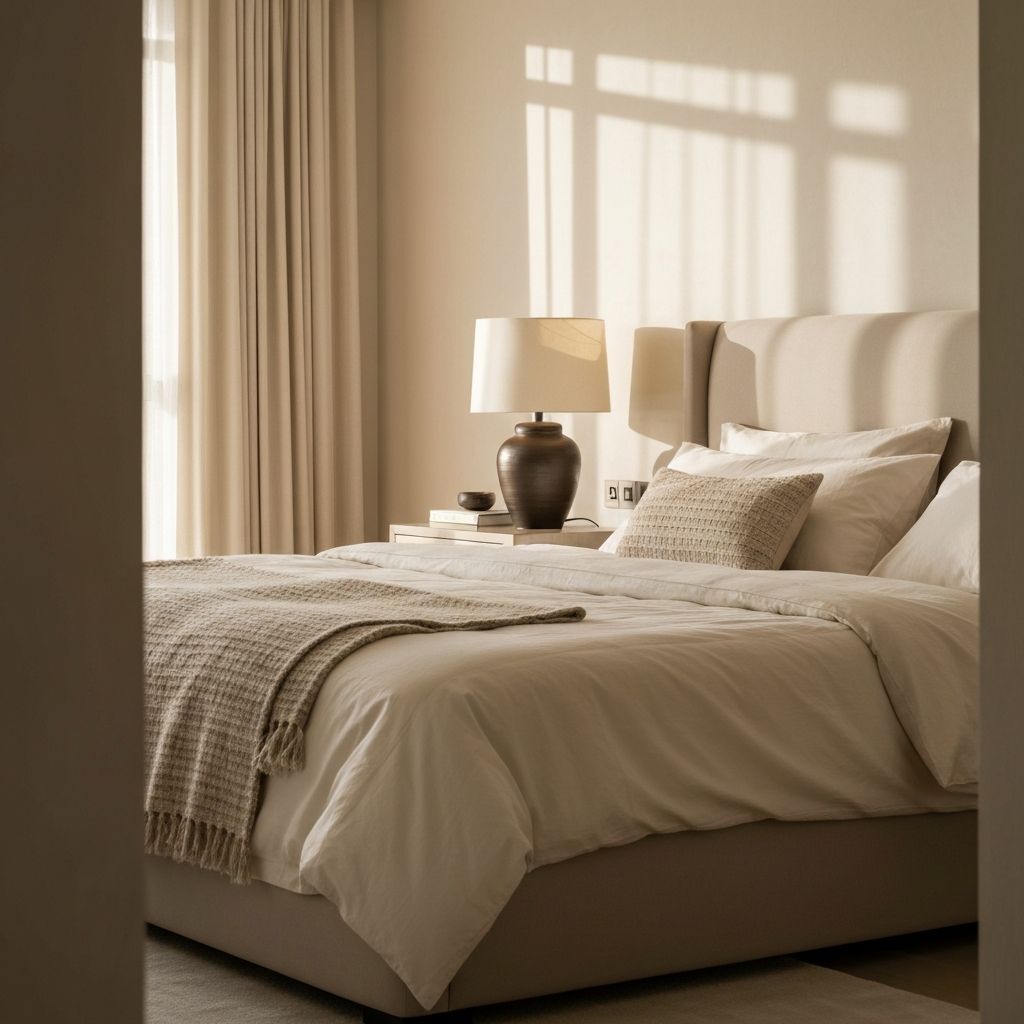
The same paint color looks dramatically different depending on the light it receives. North-facing rooms benefit from warmer tones to counteract cool light. Sun-drenched spaces can handle cooler colors without feeling cold. Always test paint samples in your actual space, observing them at different times of day.
Creating Flow Between Rooms
A home should feel cohesive as you move through it, with colors that relate to one another even when they differ. Choose a consistent undertone (warm or cool) throughout your home, and repeat accent colors in different ways from room to room.
The Power of White
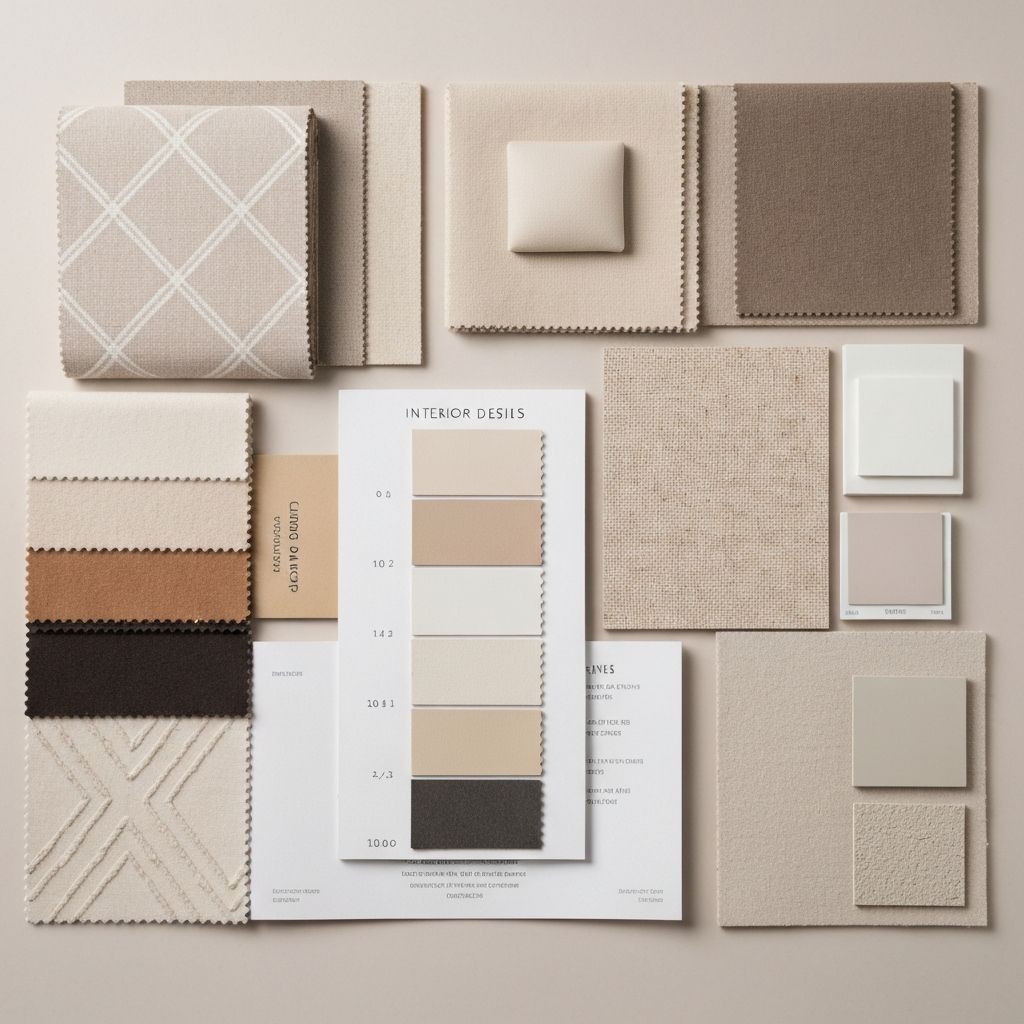
White is never just white. There are hundreds of variations, from warm creamy tones to crisp blue-whites to greige neutrals. The right white can make a space feel fresh and open, while the wrong one can look dingy or stark.
Living With Bold Color
If you love color but fear commitment, start small. A colorful powder room, a bold front door, or vibrant accessories allow you to experiment without overwhelming your space.
Ready to Transform Your Space?
Let's discuss how we can bring these ideas to life in your home.
Schedule a Consultation